

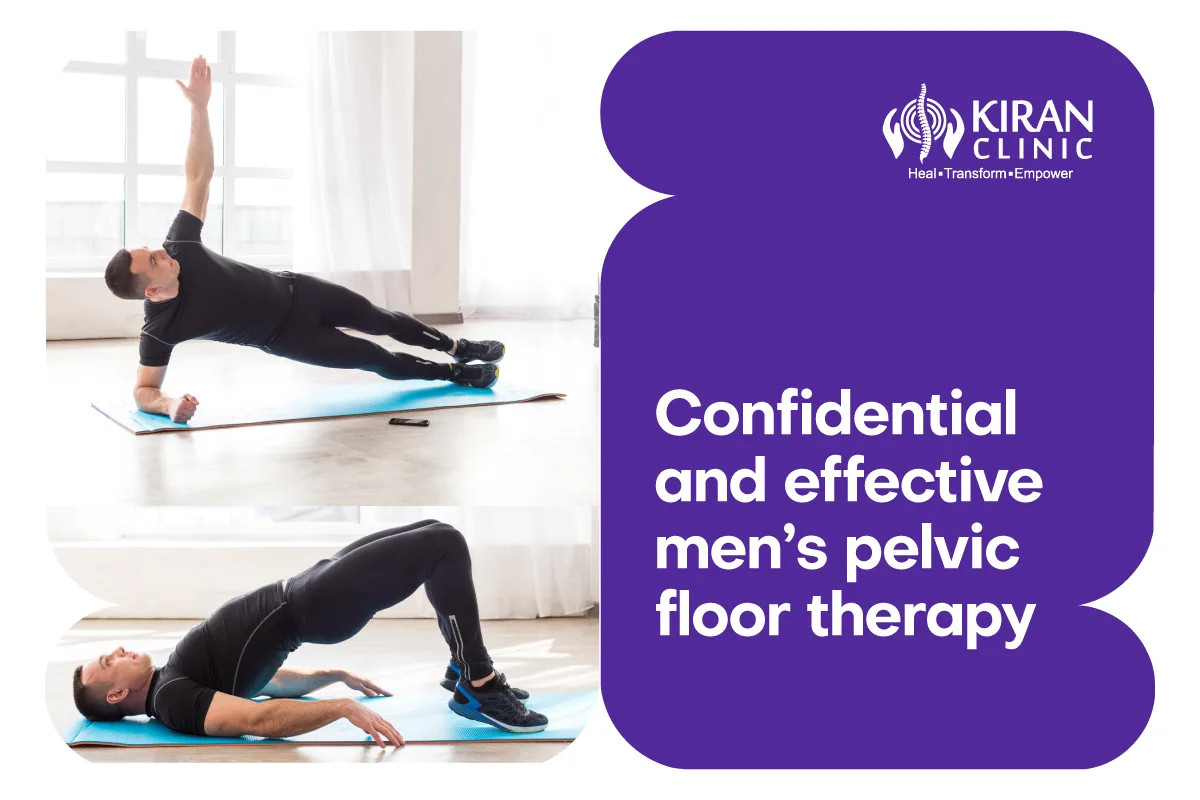
The male pelvic floor is a group of muscles and connective tissues that support the bladder, bowel, and prostate. These muscles play a vital role in urinary control, bowel control, and sexual function, including erection and ejaculation. Positioned like a sling at the base of the pelvis, the pelvic floor helps hold internal organs in place and assists with everyday functions such as holding urine, controlling gas, and maintaining erections.
When pelvic floor muscles become weak, overactive, or poorly coordinated, men may notice symptoms such as leakage, urgency, difficulty controlling urine, or ongoing pelvic discomfort. Male pelvic health physiotherapy focuses on assessing how these muscles are working and retraining them to tighten, relax, and coordinate properly again using targeted, evidence-based techniques.
How Pelvic Physiotherapy Differs From General Physiotherapy
General physiotherapy usually focuses on joints, the spine, and limb muscles. In contrast, pelvic health physiotherapy for men specifically addresses the muscles, nerves, and connective tissues of the pelvic region. Assessment may include external or internal pelvic floor evaluation, bladder and bowel habit analysis, and symptom questionnaires related to continence, pain, and sexual health.
Treatment is also more specialized. It commonly involves pelvic floor muscle training, bladder and bowel retraining, breathing techniques, relaxation strategies, and lifestyle advice. Tools such as biofeedback or manual therapy may be used where appropriate. This focused approach explains why men with urinary, bowel, or sexual symptoms benefit far more from a trained pelvic health physiotherapist than from general exercise advice alone.
Signs Your Pelvic Floor Might Need Attention
Common Symptoms Men Often Ignore
Many men dismiss pelvic floor symptoms, believing they are a normal part of aging or something to live with. However, common warning signs of male pelvic floor dysfunction include:
- Urinary leakage when coughing, sneezing, lifting, or after urinating (post-micturition dribble)
- Sudden urgency to pass urine, frequent urination, or difficulty starting or stopping the stream
- Pelvic, perineal, penile, or lower abdominal pain without a clear cause
Sexual symptoms can also be linked to pelvic floor issues. Difficulty achieving or maintaining erections, early ejaculation, or discomfort during ejaculation may indicate pelvic muscle dysfunction. Research shows that targeted pelvic floor muscle training for men can improve erectile function and ejaculatory control in selected cases.
When to Consult a Pelvic Health Physiotherapist
You should consider male pelvic health physiotherapy near you if symptoms are affecting daily activities, sleep, confidence, work, or intimacy. Men preparing for or recovering from prostate surgery, or those experiencing chronic pelvic pain, are strongly advised to seek early specialist care.
Clinical guidelines from urological associations recommend pelvic floor muscle training as first-line treatment for urinary incontinence after radical prostatectomy. If you are looking for pelvic floor physiotherapy in your local area, a detailed assessment at Kiran Clinic can determine whether your symptoms are pelvic-floor-related and which exercises or strategies will be most effective.
Also Read: Osteopathy: The Safe Pain-Relief Secret Doctors Trust Most
Conditions Pelvic Health Physiotherapy Can Help in Men
Urinary, Bowel, and Sexual Health Issues
Strong evidence supports pelvic floor physiotherapy for male urinary incontinence, including stress leakage and post-prostatectomy dribbling. A structured, supervised program of correct pelvic floor contractions can significantly improve bladder control and reduce reliance on pads.
For sexual health, male pelvic physical therapy has shown benefits in men where pelvic floor dysfunction contributes to erectile dysfunction or ejaculatory problems. Improvements may include better erectile quality, increased control, and enhanced sexual satisfaction. Bowel leakage and difficulty controlling gas can also improve with targeted pelvic floor rehabilitation and habit modification.
Pelvic Pain, Prostate Surgery Recovery, and Core Weakness
Chronic male pelvic pain-affecting the perineum, testicles, penis, tailbone, or lower abdomen-is often linked to overactive or poorly coordinated pelvic floor muscles and nerve sensitivity. Pelvic health physiotherapy for men with pelvic pain may include manual therapy, relaxation training, breathing exercises, and graded movement to restore normal muscle function.
After prostate surgery, early guided pelvic floor rehabilitation supports faster recovery of continence and may contribute to improved sexual outcomes. Addressing associated core and hip weakness helps men return safely to work, sport, and daily life. At Kiran Clinic, post-prostatectomy programs combine pelvic floor training with functional strengthening tailored to local patient needs.
What to Expect in a Male Pelvic Health Physio Session at Kiran Clinic
Assessment, Privacy, and Comfort
A male pelvic health physiotherapy session at Kiran Clinic is conducted in a private, respectful, and professional environment. The initial assessment includes a detailed discussion of urinary, bowel, sexual, and pain symptoms, along with medical history, surgeries, medications, and lifestyle factors.
With informed consent, external and, in some cases, internal pelvic floor assessment may be performed to evaluate strength, endurance, coordination, and relaxation. Every step is explained beforehand, carried out discreetly, and adapted to your comfort, with full control to pause or stop at any time.
Treatment Options: Exercises, Breathwork, and Lifestyle Advice
Treatment focuses on correct pelvic floor muscle training for men, including long holds, quick contractions, and functional exercises progressed over time. Breathing techniques help coordinate the diaphragm and pelvic floor, while posture and core exercises improve overall pelvic support.
Manual therapy may be used for tight or painful tissues, alongside lifestyle advice covering fluid intake, bowel habits, and sexual health. Education is central at Kiran Clinic, ensuring each man understands the purpose of treatment and how it supports long-term pelvic health.
Long-Term Benefits of Pelvic Health Physiotherapy for Men
Better Control, Confidence, and Quality of Life
Men who complete pelvic health physiotherapy often experience better bladder control, fewer leaks, reduced urgency, and improved confidence. In appropriate cases, improved pelvic floor function can also support better erections and sexual satisfaction.
These benefits frequently lead to better sleep, increased activity levels, and reduced anxiety. Men attending structured pelvic programs at Kiran Clinic commonly report feeling more in control of their bodies and more optimistic about their long-term health.
Breaking the Stigma and Prioritizing Men’s Health
Urinary leakage, erectile difficulties, and pelvic pain are common medical issues with effective treatments. They are not personal failures or inevitable parts of aging. Early, evidence-based care can prevent symptoms from worsening.
By normalizing conversations around male pelvic health physiotherapy, more men can access timely treatment. Clinics offering confidential, male-friendly services-such as Kiran Clinic-play a key role in integrating pelvic health into routine men’s healthcare.
Conclusion
Pelvic health is a vital yet often overlooked aspect of men’s health, influencing bladder control, bowel function, and sexual wellbeing. Evidence clearly shows that pelvic health physiotherapy for men, particularly structured pelvic floor muscle training, improves urinary incontinence, supports recovery after prostate surgery, and enhances quality of life.
These conditions are common, treatable, and nothing to be embarrassed about. At Kiran Clinic, men receive evidence-based care in a private, respectful setting, helping the local community regain control, confidence, and long-term pelvic health.
Frequently Asked Questions
- Is pelvic floor physiotherapy only for women?
No. Evidence and clinical guidelines show that pelvic floor muscle training is also effective for men, particularly for urinary incontinence and post‑prostatectomy recovery. Men with pelvic pain or sexual dysfunction can also benefit from specialized pelvic health physiotherapy. - Can pelvic floor exercises really help after prostate surgery?
Studies report that pelvic floor muscle training started before or soon after radical prostatectomy can speed up the return of continence and reduce long‑term leakage. Urological associations recommend these exercises as first‑line rehabilitation for men after prostate surgery. - Can pelvic health physiotherapy improve erectile dysfunction?
In selected men where pelvic floor dysfunction contributes to erectile problems, pelvic physical therapy and pelvic floor training have been shown to improve erectile function and ejaculatory control. However, not all causes of erectile dysfunction are pelvic floor‑related, so proper assessment by healthcare professionals is essential. - How long does it take to see results from pelvic floor training?
Most guidelines note that consistent pelvic floor exercises are needed for at least 8–12 weeks to see meaningful changes in strength and continence, and some men need longer, especially after surgery. Regular review with a pelvic health physiotherapist helps ensure you are using the correct technique and progressing safely. - Is an internal exam always necessary in male pelvic health physiotherapy?
Internal assessment can provide very accurate information about pelvic floor muscle strength and coordination, but it is only performed with informed consent and may not be essential in every case. At centers like Kiran Clinic, examination options and alternatives are discussed openly so that you can make a comfortable and informed decision.
Authority References:
1. NHS
2. PubMed
